
Prepare outfits and props for a music video without losing continuity
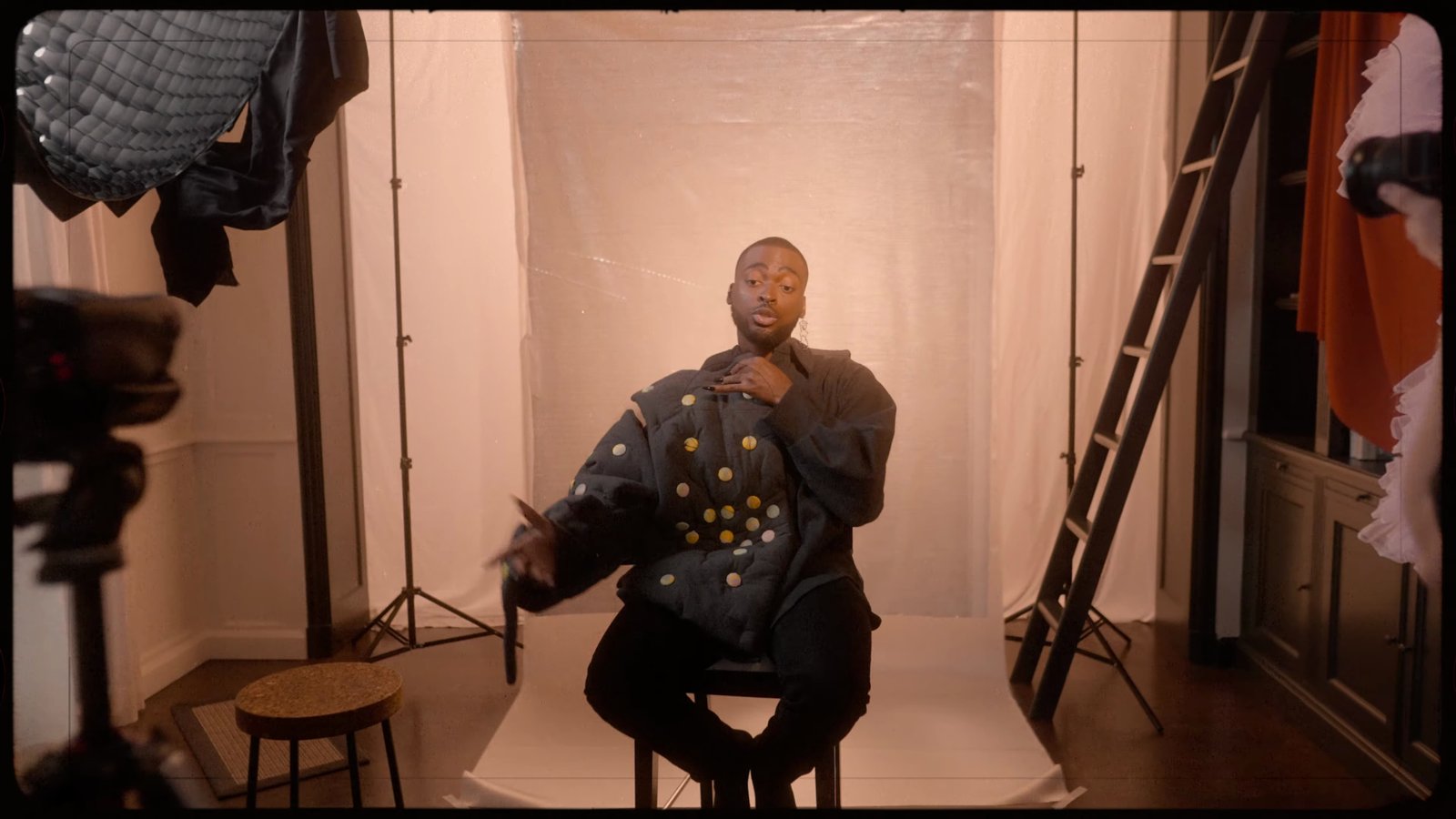
Start planning outfits by identifying which scenes represent the same moment in your music video’s story. Assign a look to each sequence, photograph useful details and pack its props together in a labelled bag. This supports both artistic direction and organisation. It helps you recover a consistent image when shots are filmed in a different order from the finished edit. The following method is designed for a small crew and should be adapted to the song, locations and movements you have planned.
Choose an outfit that works inside the frame
An outfit needs a test beyond the mirror. Look at it in a frame similar to the one planned for the video, with the intended background and lighting in mind. A dark jacket may blend into a dark setting; a bright garment may draw more attention than your face. Neither is automatically wrong. They are choices to consider together. Send front, side and movement pictures rather than relying on a product photograph of the clothes.
Try the performance gestures while wearing the complete outfit. Can you raise your arms, sit down, dance or play your instrument without constantly adjusting something? Check the shoes as carefully as the top. A detail that feels minor in preparation can become prominent in a full length shot. Bring a few clear proposals, each with a purpose: an everyday silhouette, a stronger stage presence or a change of chapter. An overflowing suitcase usually transfers the decisions to the busiest part of the day.
Connect your ideas to the music video brief
Connect each look to the structure of the song
Make a simple map of the sequences. Include the location, musical passage, outfit, props and the moment being portrayed. Two different places may belong to the same moment in the story and need the same look. Equally, a single location may contain several distinct emotional states. The aim is not uniformity. It is to separate intentional changes from differences caused by forgetting a detail between takes.
Consider a fictional example: the verse shows an artist leaving a flat and the chorus finds them outside. If these images form one continuous action, the bag and jacket should follow the agreed logic, even if the exterior is filmed first. An independent performance sequence can use a different look. Making that distinction in advance helps the shoot move efficiently without confusing the eventual edit. Add outfit changes to the shooting order, with realistic time to change, pack away the previous look and check the next setup.
Avoid preparation mistakes before filming
Keep continuity notes that someone can actually use
Once a take has established the reference for a sequence, photograph the details most likely to change: jacket fastenings, sleeves, jewellery, hair, the position of a bag or which hand holds an object. A phone is sufficient for these working references. Avoid collecting dozens of unlabelled pictures. A folder for each sequence and a few clear views are easier to use. Assign the task to a named person, even when the crew is small.
Record the required condition of props as well. A full glass, an opened letter or an object moved across a table can carry meaning when the shots meet in the edit. Prepare whatever makes the action repeatable, and check before staining or altering something needed again. Review continuity when changing camera position, after a break and before leaving a location. Some differences may be harmless. A correction that matters should be discussed while the relevant shot can still be repeated.
Pack by look and finish with a useful checklist
The day before filming, group items by complete look rather than by clothing category. Each set should include footwear, small accessories and a reference picture. Prepare a sensible backup for the expected conditions without adding unnecessary looks. Keep unrelated personal belongings out of the planned frame: an overlooked watch or a phone left in a pocket can change a carefully chosen silhouette.
Use a short final checklist. Has the crew agreed the outfits? Are changes included in the schedule? Are props available and labelled? Have the movements been tested? Who keeps the continuity pictures? Answering these questions makes the preparation specific. When discussing a project with LOOP, share your outfit ideas alongside the track and brief so the visual direction can grow from your world. The references below offer broader perspectives on preparation and video formats. This continuity workflow is an original practical application, rather than a description of their commercial packages or promises about the results of a shoot.
Discuss the visuals for your next song
Sources and further reading : www.ahpmusicvideos.com diymusician.cdbaby.com